

I.Introduce the Sodium Bicarbonate
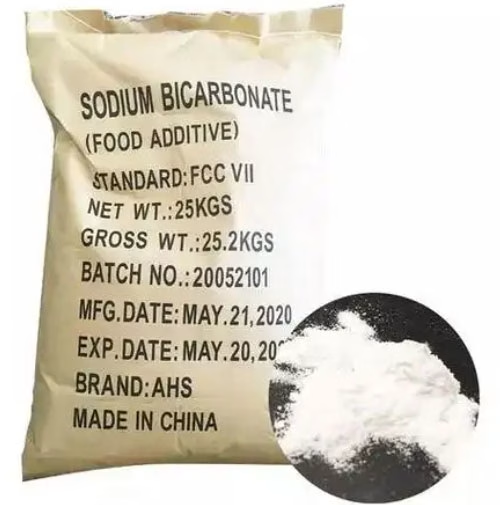
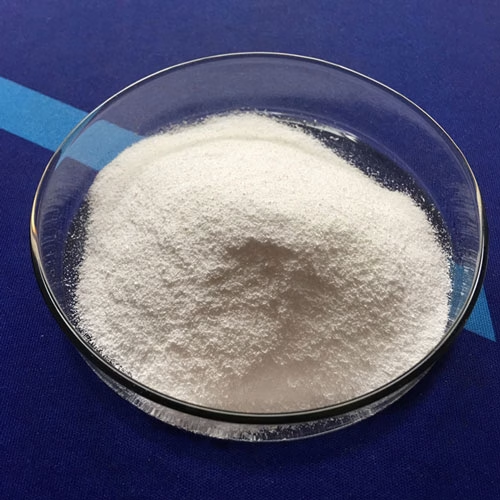
Sodium bicarbonate, with the chemical formula NaHCO3, is a fascinating inorganic compound. sodium bicarbonate appears as a white, crystalline powder that is odorless and has a slightly alkaline taste.
One of its most notable chemical properties is its solubility in water (To know the mechanism and the influence factors on its solubility in water please read “what happens when sodium bicarbonate is added to water”).
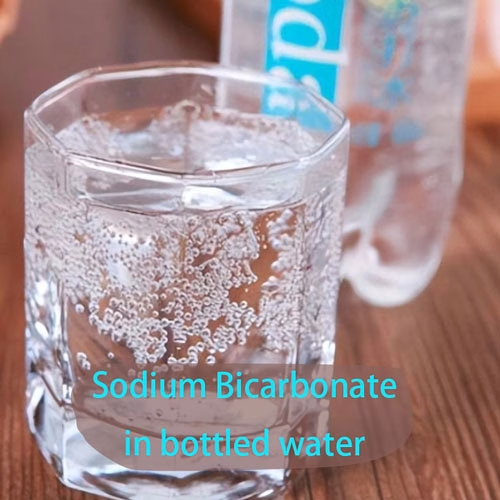
The most commen drink with sodium bicarbonate is the soda water. When we have soda water, the sodium bicarbonate reacts with stomach acid (the main component of stomach acid is hydrochloric acid) as follows:
NaHCO₃ + HCl → NaCl + H₂O + CO₂↑
This reaction gives the soda a unique flavor.
II.The Presence of Sodium Bicarbonate in Bottled Water
2.1Natural Occurrence vs. Added
In bottled water, sodium bicarbonate can either occur naturally or be added during the manufacturing process, each with distinct characteristics.
2.1.1 Natural Occurrence
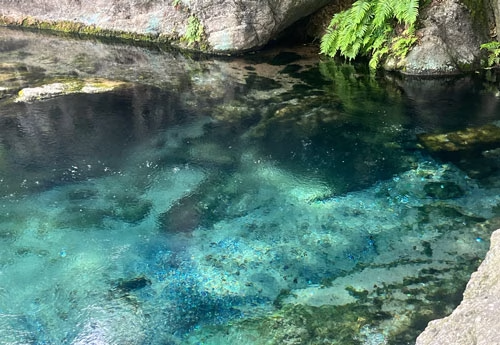
Natural sources of sodium bicarbonate in water are often associated with specific geological formations.
For example, in areas with underground springs that pass through limestone or other carbonate – rich rocks, water can naturally dissolve minerals, including sodium bicarbonate.
The presence of these natural minerals is often considered a sign of high – quality water, as they can contribute to a unique taste and potential health benefits.
2.1.2 Added Sodium Bicarbonate
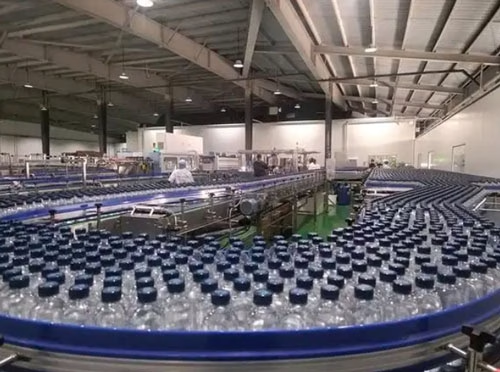
Many bottled water manufacturers add sodium bicarbonate to their products for several reasons.
Sodium bicarbonate is alkaline, and adding it can increase the pH of the water, making it more alkaline. This can be appealing to consumers who prefer alkaline water, as it is believed by some to have potential health benefits, such as helping to neutralize excess stomach acid.
Manufacturers may also add sodium bicarbonate to enhance the taste of the water. It can create a slightly effervescent or sparkling quality, similar to that of natural sparkling water. This can make the water more refreshing and appealing to consumers, especially those who enjoy the sensation of bubbles in their beverages.
Additionally, in some cases, adding sodium bicarbonate can help to mask any off-flavors that may be present in the water, resulting in a more palatable product.
The amount of sodium bicarbonate added can vary depending on the brand and the intended characteristics of the water. Some manufacturers may add a small amount to achieve a subtle change in pH or taste, while others may add more to create a more pronounced alkaline or sparkling effect. It’s important for consumers to read the labels of bottled water products to understand if sodium bicarbonate has been added and in what quantity.
2.2 Brands and Their Formulations
Numerous bottled water brands incorporate sodium bicarbonate into their products, each with its own unique formulation.
2.2.1 Perrier
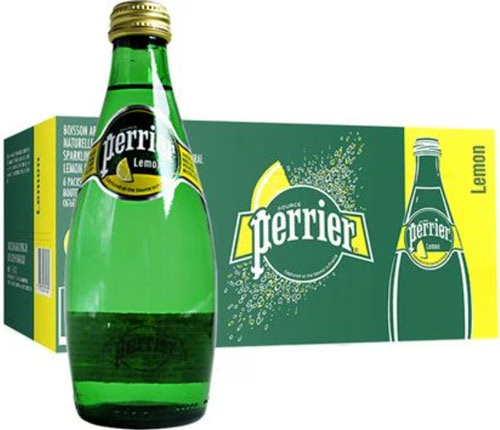
Perrier is a well – known brand famous for its natural sparkling water. Originating from Vergèze, France, Perrier’s water is sourced from a spring located deep within the earth. The water naturally contains carbon dioxide and various minerals, including sodium bicarbonate. The presence of sodium bicarbonate contributes to the water’s slightly alkaline nature, with a pH typically around 7.6. This natural combination of carbonation and minerals gives Perrier its characteristic fizzy and refreshing taste. It has been a popular choice among consumers for generations, often served in fine dining establishments and used as a mixer in cocktails.
2.2.2 San Pellegrino
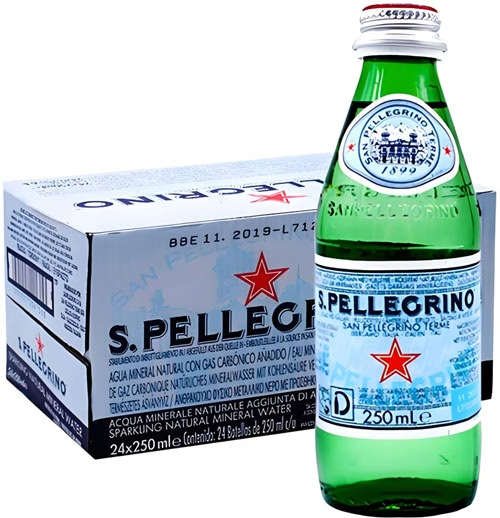
San Pellegrino, an Italian brand, offers both still and sparkling water options. Their sparkling water contains naturally occurring carbon dioxide and minerals, including sodium bicarbonate. The water is sourced from the San Pellegrino Terme in the Bergamo province of Italy. The formulation of San Pellegrino’s water results in a balanced and smooth taste, with the sodium bicarbonate playing a role in maintaining the water’s natural mineral profile. It has a reputation for its high quality and is often associated with luxury and refined taste.
2.2.3 Voss
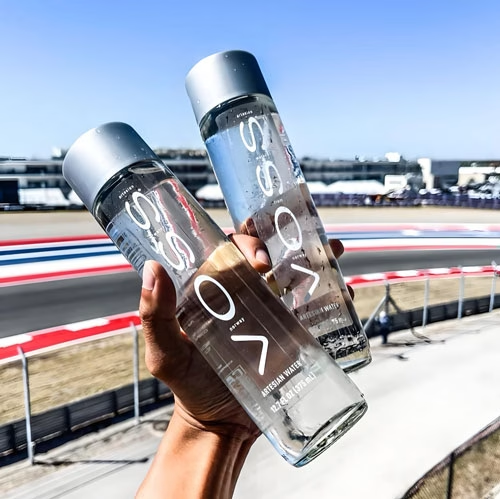
Voss is a Norwegian brand that offers a range of bottled water products. Some of their offerings, particularly their alkaline water, contain added sodium bicarbonate. Voss’s alkaline water is designed to have a higher pH level, typically around 8.4, which is achieved in part by the addition of sodium bicarbonate. The brand focuses on providing a pure and clean – tasting water, and the addition of sodium bicarbonate not only adjusts the pH but also contributes to a smooth and refreshing mouthfeel. Voss water is often found in high – end hotels, restaurants, and spas, and is popular among consumers who are health – conscious and seeking a premium bottled water option.
2.2.4 Local and Lesser – Known Brands
In addition to these international brands, there are many local and lesser – known bottled water brands that also incorporate sodium bicarbonate into their products. For example, in some regions, small – scale producers may offer natural spring water that contains sodium bicarbonate as a result of the local geology. These local brands often emphasize the purity and uniqueness of their water sources, and the presence of sodium bicarbonate can be a selling point. Some local brands may also add sodium bicarbonate to their water to create a product that caters to specific consumer preferences in their area, such as a preference for alkaline or slightly sparkling water.
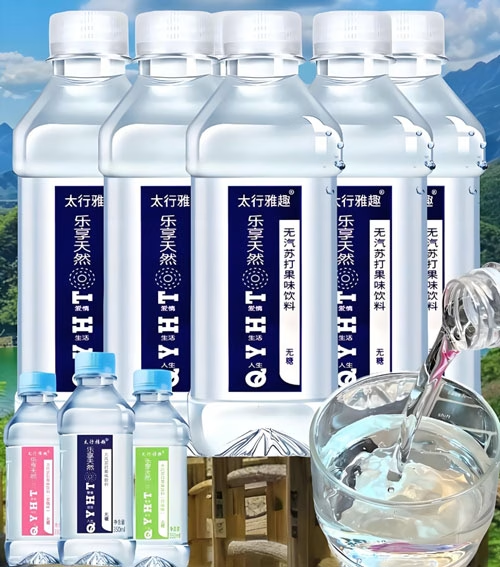
The formulations of these local brands can vary widely. Some may focus on creating a water with a very subtle addition of sodium bicarbonate to enhance the natural taste of the water, while others may aim for a more pronounced alkaline or sparkling effect. These brands often play an important role in the local market, providing consumers with options that are tailored to their specific needs and preferences.
III.Health Benefits of Sodium Bicarbonate in Bottled Water
3.1 Alkalizing Properties
The alkalizing properties of sodium bicarbonate in bottled water play a pivotal role in maintaining the body’s delicate acid – base balance.
For example, during intense exercise, muscle cells produce lactic acid as a result of anaerobic metabolism. This can cause a temporary increase in the acidity of the blood and muscles, leading to fatigue and muscle soreness. Consuming bottled water with sodium bicarbonate can help neutralize this lactic acid, thereby delaying the onset of fatigue and promoting faster recovery.

Maintaining a proper acid – base balance is crucial for many bodily functions. It can support healthy enzyme activity, as enzymes often have an optimal pH range in which they function most efficiently. An acidic environment can denature enzymes, rendering them ineffective.
A balanced pH also helps in the proper absorption of nutrients in the digestive system. For instance, certain minerals like calcium, magnesium, and iron are better absorbed in a slightly alkaline environment. By helping to alkalize the body, sodium bicarbonate in bottled water may contribute to better nutrient utilization and overall health.
3.2 Digestive Health Support
Sodium bicarbonate in bottled water offers significant support for digestive health, particularly in relation to issues such as acid reflux, heartburn, and general indigestion.
The alkaline nature of sodium bicarbonate allows it to act as a natural antacid. When consumed, it can neutralize the excess hydrochloric acid in the stomach.

In addition to acid reflux, sodium bicarbonate can also aid in cases of general indigestion. The alkalinity of sodium bicarbonate can help to balance the pH in the digestive tract, which may improve the overall digestive process. It can also stimulate the production of digestive enzymes, which are essential for breaking down food into smaller, more easily absorbable components.

Furthermore, some studies suggest that sodium bicarbonate may have a positive impact on the gut microbiome. By helping to create a more favorable environment in the gut, sodium bicarbonate may support the growth of beneficial bacteria and inhibit the growth of harmful ones, contributing to a healthier gut microbiome.

3.3 Exercise Performance Enhancement
The presence of sodium bicarbonate in bottled water has been associated with several benefits for exercise performance, particularly in high – intensity and endurance – based activities. One of the primary ways it achieves this is by buffering lactic acid.
Sodium bicarbonate, with its alkaline properties, can act as a buffer to counteract this increase in acidity. By reducing the negative impact of lactic acid build – up, sodium bicarbonate can delay the onset of fatigue, enabling athletes to sustain higher levels of intensity for extended durations.
For example, in sports such as running, cycling, and swimming, where continuous high – intensity efforts are required, the ability to buffer lactic acid can make a significant difference. Studies have shown that athletes who consume sodium bicarbonate – containing bottled water before or during exercise may experience improved endurance. They may be able to cover longer distances or maintain a faster pace without experiencing the same level of fatigue as those who do not consume it.

Sodium bicarbonate may also enhance exercise performance through other mechanisms. It has been suggested that it can increase blood flow to the muscles. By increasing blood flow, more oxygen and nutrients can be delivered to the working muscles, which is essential for optimal performance.
Sodium bicarbonate may also have a positive effect on the nervous system, improving muscle activation and coordination. This can lead to more efficient movement patterns and better overall performance.
However, it’s important to note that while sodium bicarbonate can offer benefits for exercise performance, the optimal dosage and timing of consumption can vary from person to person. Some individuals may experience side effects such as nausea, bloating, or diarrhea when consuming large amounts of sodium bicarbonate. Therefore, it’s advisable for athletes to consult with a sports nutritionist or healthcare professional to determine the most appropriate approach for their specific needs.

IV.Potential Side Effects and Considerations
4.1 Over – consumption Risks
While sodium bicarbonate in bottled water can offer certain health benefits when consumed in moderation, over – consumption can lead to several potential side effects. One of the most significant risks associated with excessive intake of sodium bicarbonate is the development of metabolic alkalosis.

When large amounts of sodium bicarbonate are consumed, the bicarbonate ions can accumulate in the body. As a result, the body’s natural acid – base balance is disturbed, leading to an increase in blood pH. Symptoms of metabolic alkalosis may include nausea, vomiting, hand tremors, muscle twitching, and in severe cases, confusion and seizures. This condition can be particularly dangerous for individuals with pre – existing health conditions, such as kidney disease or heart problems.
Another risk of over – consuming sodium bicarbonate is sodium overload. Sodium bicarbonate contains sodium, and excessive intake of sodium can lead to an increase in blood pressure. High blood pressure is a major risk factor for heart disease, stroke, and other cardiovascular problems. For individuals who are already at risk of hypertension or who have a history of high blood pressure, consuming too much sodium bicarbonate in bottled water can exacerbate the problem.( reference article “can sodium bicarbonate cause high blood pressure”.)

In addition to these risks, over – consumption of sodium bicarbonate may also cause gastrointestinal issues. The alkaline nature of sodium bicarbonate can disrupt the normal acidic environment of the stomach, leading to symptoms such as bloating, gas, and diarrhea. Some people may also experience a rebound effect, where the body responds to the excessive alkalinity by producing even more acid, resulting in increased heartburn and indigestion.
4.2 Interactions with Medications and Health Conditions
Sodium bicarbonate can interact with certain medications, potentially affecting their effectiveness or causing adverse reactions. It’s crucial for individuals who are taking medications to be aware of these potential interactions and to consult with their healthcare providers before consuming bottled water with sodium bicarbonate.
4.2.1 Medication Interactions
Antihypertensive Drugs: As mentioned earlier, sodium bicarbonate contains sodium, and excessive sodium intake can counteract the effects of antihypertensive medications.
Certain Antibiotics: Sodium bicarbonate can interact with antibiotics like tetracyclines. When taken together, the alkaline environment created by sodium bicarbonate can decrease the absorption of tetracyclines in the body.
Medications Affecting the Acid-Base Balance: Some medications are specifically designed to alter the body’s acid – base balance. Consuming sodium bicarbonate while on these medications can disrupt the intended therapeutic effect.
4.2.2 Health Conditions Considerations

Hypertension: As previously stated, individuals with hypertension need to be cautious about their sodium intake.
Kidney Disease: Sodium bicarbonate can place additional stress on the kidneys, especially if consumed in large amounts. In some cases, it may even lead to further deterioration of kidney function.
Gastrointestinal Disorders: Those with certain gastrointestinal disorders, such as gastritis or peptic ulcers, may need to be careful with sodium bicarbonate. While it can help neutralize stomach acid in some cases, excessive use can disrupt the normal balance of the digestive system.
V.How to Choose Bottled Water with Sodium Bicarbonate
5.1 Reading Labels Effectively
Effectively reading labels is crucial when choosing bottled water with sodium bicarbonate. The label provides a wealth of information that can help you make an informed decision about the product.
5.2 Considering Your Health Goals
Your health goals play a significant role in determining the most suitable bottled water with sodium bicarbonate for you. Different individuals have varying health needs, and understanding how sodium bicarbonate can impact those needs can help you make the right choice.

5.2.1 Digestive Health
If you’re prone to acid reflux, heartburn, or indigestion, a bottled water with a higher concentration of sodium bicarbonate may be beneficial.
5.2.2 Exercise Performance
For athletes or individuals engaged in regular high – intensity exercise, bottled water with sodium bicarbonate can be a great choice to enhance performance.
5.2.3 Alkaline Diet and General Wellness
If you’re following an alkaline diet or are interested in maintaining an alkaline internal environment for overall wellness, a bottled water with sodium bicarbonate can be a valuable addition to your routine.
5.2.4 Medical Conditions
Individuals with specific medical conditions need to be particularly cautious when choosing bottled water with sodium bicarbonate.
VI.Conclusion
In conclusion, sodium bicarbonate in bottled water presents a complex yet intriguing topic. This compound, with its diverse applications from the kitchen to medical settings, plays a significant role in the bottled water industry. It can occur naturally in water due to geological processes, or it can be added by manufacturers to achieve specific characteristics.
The health benefits of sodium bicarbonate in bottled water are notable. Its alkalizing properties help maintain the body’s acid – base balance, which is crucial for overall health. It can support digestive health by neutralizing excess stomach acid, providing relief from acid reflux and heartburn. Additionally, for athletes, it may enhance exercise performance by buffering lactic acid, allowing for increased endurance and reduced fatigue.
However, it’s essential to be aware of the potential drawbacks. Over – consumption of sodium bicarbonate can lead to metabolic alkalosis, sodium overload, and gastrointestinal issues. Moreover, it can interact with certain medications and may not be suitable for individuals with specific health conditions such as hypertension, kidney disease, or gastrointestinal disorders.
When choosing bottled water with sodium bicarbonate, consumers should read labels carefully. Understanding the source of the water, the amount of sodium bicarbonate present, and other ingredients is key. Additionally, aligning the choice of water with personal health goals, whether it’s for digestive support, exercise performance, or overall wellness, is crucial.
In the end, while sodium bicarbonate in bottled water can offer numerous advantages, moderation and informed decision – making are the keys to reaping its benefits while minimizing potential risks. By being aware of the information presented in this article, readers can make more informed choices about their bottled water consumption and take steps towards maintaining a healthy lifestyle.

