

I. Introduction to Fluorides
Fluorides are a broad category of compounds that play significant roles in various fields.

In chemistry, fluorides are salts of hydrofluoric acid. They exist in different forms such as sodium fluoride (NaF), potassium fluoride(KF), aluminium fluoride (AlF3), and many others. These compounds are known for their unique properties.
- In dentistry, fluorides are widely used. For example, fluoride is added to toothpaste and drinking water as it is considered beneficial for people’s teeth. It helps in preventing tooth decay by strengthening the enamel. Studies have shown that areas with fluoridated water have a lower incidence of dental cavities.
- In industry, fluorides are used in various applications. For instance, rare earth fluorides are excellent matrixes for luminescent materials and are widely used in the fields of lighting, display, and detection. In mechanical engineering, fluorides can be used in processes such as metalworking and surface treatment.
Overall, fluorides are an important group of compounds with diverse applications and significance in different fields.
II. Understanding Sodium Fluoride
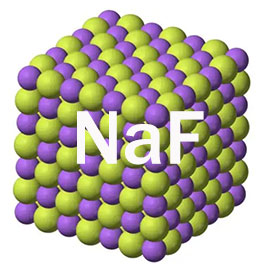
Properties and Uses
Sodium fluoride is soluble in water and hydrofluoric acid but insoluble in ethanol. It is the only hygroscopic salt among alkali metal fluorides and may cake during long-term storage.
Common applications of sodium fluoride include: medical, agricultural, electrochemical, analytical chemistry and medical testing. Please click the link for NaF comprehensive uses introduction.
Benefits and Risks
Benefits:
- Dental health: Helps prevent tooth decay by strengthening enamel and increasing the resistance of teeth to acid.
- Bone health: Can be beneficial for treating certain bone disorders like osteoporosis and Paget’s disease.
Risks:
- Acute toxicity: In case of acute poisoning, it can cause gastrointestinal symptoms such as nausea, vomiting, and diarrhea. If not rescued in time, it can lead to death.
- Chronic toxicity: Prolonged exposure can lead to fluorosis, which affects the health of bones and teeth.
III. Comparing Sodium Fluoride and Other Fluorides

Chemical Composition
Sodium fluoride consists of sodium and fluorine atoms. In comparison, other fluorides like potassium fluoride (KF) have potassium instead of sodium. Aluminium fluoride (AlF₃) contains aluminium. The differences in the central metal or cation result in distinct chemical properties.
For example, the solubility of these fluorides can vary significantly. Sodium fluoride is soluble in water and hydrofluoric acid but insoluble in ethanol. Potassium fluoride is also soluble in water but may have different solubility characteristics compared to sodium fluoride. Aluminium fluoride has different solubility and reactivity due to the different nature of aluminium compared to sodium and potassium.
Applications and Industries
In different industries, the uses of sodium fluoride and other fluorides vary.
- Sodium fluoride (NaF) is widely used in the medical field for treating certain bone disorders and preventing dental caries. It also has applications in agriculture as an insecticide and fungicide. In the electrochemical field, it acts as an electrolyte additive.
- Potassium fluoride (KF) is used in the production of certain chemicals and as a catalyst in some industrial processes.
- Aluminium fluoride (AlF3) is important in the aluminum smelting industry as it helps lower the melting point of alumina.
- In the field of lighting and display, rare earth fluorides are excellent matrixes for luminescent materials. For example, compounds like yttrium fluoride (YF3)and lanthanum fluoride(LaF3) are used in the production of high-performance phosphors.
- Stannous fluoride vs sodium fluoride: Although both Stannous fluoride (SnF2) and Sodium fluoride (NaF) could be used for toothpaste, the two chemicals still have differences in function.
Conclusion
Sodium fluoride and other fluorides have distinct characteristics and play diverse roles in different fields.
The key differences between sodium fluoride and other fluorides lie in their chemical composition. And it leads very diffier in the property and usages.

