

Sodium fluoride is an inorganic compound with the chemical formula NaF. It has a very wide range of applications in the fields including medicine, chemistry, metallurgy, metal surface treatment, agriculture, environmental protection, energy conversion, and scientific research.
I. Pharmaceutical application
1. Dental treatment
Sodium fluoride is mainly used in the treatment of dental caries and the prevention of dental caries in toothpaste, mouthwash, and other oral care products.

It can protect teeth by inhibiting the growth and reproduction of bacteria in the mouth and reducing the formation of acids.
The sodium fluoride of toothpaste grade is specially for this application.
2. Medicine
Sodium fluoride can be used in the preparation of antimicrobial and anti-inflammatory agents to treat a variety of infections and inflammations.
The sodium fluoride in high purity grade is used for this application.
II. Chemical industry
Sodium fluoride plant
Sodium fluoride can be used to make various chemical agents, such as detergents, disinfectants, antimicrobial agents, etc. It can also be used to make heat-sensitive and light-sensitive materials. It is also an important catalyst in many chemical reactions.
1. Organic Synthesis
Sodium fluoride has important applications in organic synthesis.
- It can be used as a basic catalyst to catalyze the alcoholysis reaction of esters, converting the esters into the corresponding alcohols and acids.

- Sodium fluoride can promote the addition reaction of esters and ethers, the hydrolysis reaction of amides, and the carbonylation reaction of ketones and aldehydes.
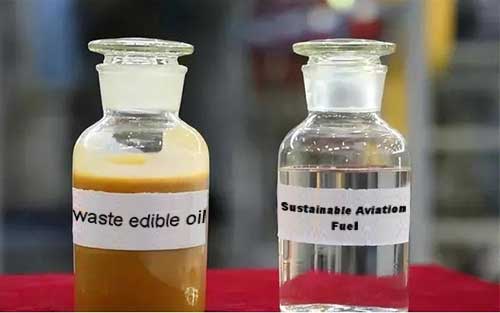
2. Biofuel and chemical preparation
Sodium fluoride plays an important role in catalyzing the preparation of biofuels and chemicals.
For example, it can facilitate hydrogenolysis, alcoholysis and hydrogenation of biomass to convert biological feedstocks into valuable fuels and chemicals.
This application helps to promote the sustainable use of biomass and the development of alternative energy sources.
III. Metal Smelting
1. Aluminum Alloy Melting
Sodium fluoride is used in aluminum primarily as a flux to help lower the melting point of the metal, thereby improving processing efficiency.
Introduction of aluminum element
Sodium fluoride can acidify the aluminum melt and make it more reducing, thus promoting the reduction of aluminum, increasing the content of aluminum element and improving the strength and corrosion resistance of aluminum alloy.
Remove oxides
Sodium fluoride can react with oxides in the melt to form fluoride and remove the oxides. This reduces the content of oxides in the aluminum alloy and improves the quality and performance of the aluminum alloy.
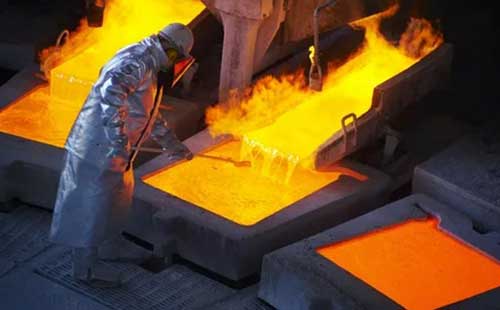
Sodium fluoride, as an important additive for aluminum processing, can improve the machinability, corrosion resistance and strength of aluminum, as well as reduce oxidation and contamination on the surface of aluminum, thus increasing productivity and product quality.
2. Magnesium Melting
Sodium fluoride could be used as a corrosion inhibitor in the melt processing of magnesium
3. Iron phosphatization:
Sodium fluoride is used as a catalyst in iron-based phosphatization, which can significantly increase the reaction rate and selectivity, then improve product purity.
4. Bauxite Flotation Process
During the production of aluminum, impurities in the bauxite are removed by sodium fluoride, making the aluminum pure.
IV. Metal Surface Treatment:
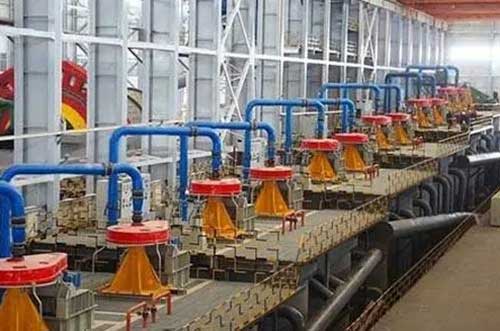
For surface treatment of iron and steel, non-ferrous metals (e.g. aluminum, zinc).
- Sodium fluoride can be used as degreasing agent and cleaning agent to remove grease and dirt on metal surface.
- As a phosphating accelerator, it makes the phosphating solution stable, refines the phosphating and improves the performance of phosphating film.
- Improve the adhesion and anti-corrosion ability of the coating, make the coating more solid and durable. It plays the role of lubrication in the process of cold machining and improves the machining efficiency.
- In the anodic oxidation treatment of aluminum alloy, it can improve the denseness and corrosion resistance of the oxide film.
V. Manufacture of glass, ceramics and enamel
1. Ceramics producing
Sodium fluoride is used as a flux in the manufacture of ceramics to reduce the firing temperature of ceramics. It saves energy and shortens the production cycle. It can also enhance the corrosion resistance of ceramics, improve the heat resistance and electrical properties of ceramics.
2. Glass manufacturing
Sodium fluoride can increase the refractive index and dispersion of glass

3. Enamel producing
Adding sodium fluoride to enamel glaze can improve the corrosion resistance, abrasion resistance and gloss of enamel coating.
VI. Agricultural field
- As a soil conditioner, sodium fluoride can regulate soil acidity and alkalinity, improve soil structure, and increase soil fertility, especially effective in saline and alkaline land improvement.
- It can also be used as a plant growth regulator to promote plant growth and development.
- Sodium fluoride kills bacteria and viruses in the soil to prevent plant diseases.
- Sodium fluoride can also be used in the preparation of plant protection agents and pesticides to control crop pests and diseases.
VII. Sewage treatment
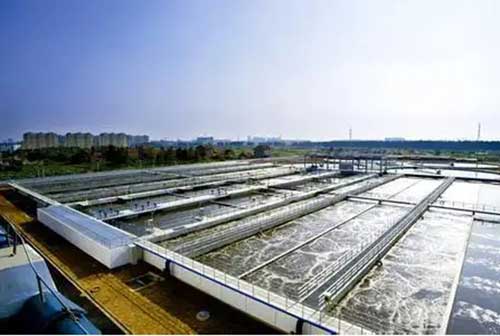
- Sodium fluoride can effectively kill viruses and bacteria in water for the disinfection treatment.
- It can form water-insoluble compounds with heavy metal ions
- Sodium fluoride can be used to adjust the pH value of sewage to keep it within the appropriate acidity range.
VIII. Energy conversion
In the field of energy conversion, sodium fluoride catalysts are used in energy devices such as batteries and fuel cells. It improves energy conversion efficiency and promotes sustainable energy development.

IX. Scientific use
Sodium fluoride is mainly used in scientific research to synthesize organic fluorine compounds and inorganic fluorides. It is used to prepare various fluorine-containing functional materials, such as polymers, liquid crystal materials, catalysts, and so on.

