

I. Understanding Dibasic Calcium Phosphate
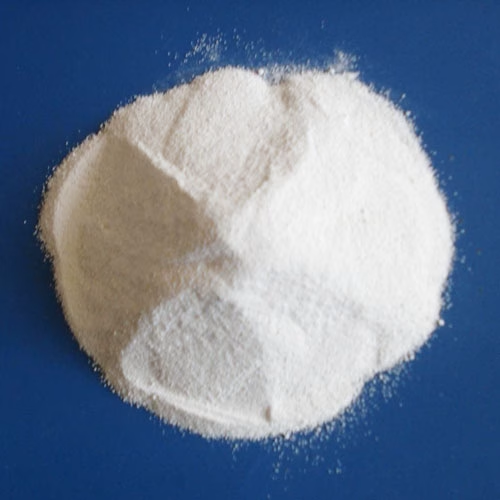
Dibasic calcium phosphate, also known as calcium hydrogen phosphate with the chemical formula CaHPO4, is a commonly used compound in various fields. It appears as a white powder and has limited solubility in water. In the pharmaceutical industry, it serves as an essential ingredient in the production of dietary supplements and pharmaceutical tablets (For more details, please read Dibasic calcium phosphate anhydrous use in tablet). Its role as a calcium supplement helps in maintaining healthy bones and teeth, as calcium is a crucial element for bone strength and density. In the food industry, dibasic calcium phosphate is utilized as a food additive, often acting as a calcium fortifier in products like cereals, dairy products, and dietary shakes. It can also function as an anti-caking agent, preventing the formation of lumps in powdered food products and ensuring their smooth texture and easy flow.
II. The Intricate Chemistry Behind Side Effects
Absorption Irregularities
Dibasic calcium phosphate, when present in the digestive tract, can potentially influence the absorption of other essential nutrients. For instance, it may interact with iron, zinc, or magnesium. The mechanism behind this lies in the fact that calcium can compete with these elements for absorption sites in the intestinal lining. In some cases, the presence of dibasic calcium phosphate might lead to a decreased absorption of iron, which could be a concern, especially for individuals with marginal iron status. Studies have shown that when calcium supplements are taken concomitantly with iron-rich foods or iron supplements, the bioavailability of iron can be significantly reduced. Similarly, the absorption of zinc and magnesium might also be hampered, although the extent of this interference can vary depending on factors such as the dosage of dibasic calcium phosphate and the overall diet composition.
Gastrointestinal Disturbances
One of the most commonly reported side effects associated with dibasic calcium phosphate is related to the gastrointestinal tract. Constipation is a frequent manifestation, and this can occur due to the binding nature of calcium. When calcium binds with other substances in the gut, it can slow down the transit time of food through the intestines, leading to harder stools and difficulty in passing them. Diarrhea, on the other hand, is less common but can still occur in some individuals. This might be related to an individual’s sensitivity to the compound or other factors in the formulation of the supplement or food product containing dibasic calcium phosphate. Abdominal discomfort, which can range from mild bloating to more severe cramping, is also reported. The potential causes of this discomfort could be the alteration of the gut’s normal pH balance by the calcium compound or the physical presence of undissolved calcium particles irritating the intestinal lining.

Kidney Stone Conundrum
The link between dibasic calcium phosphate and the formation of kidney stones is a topic of great interest and concern. When excessive amounts of calcium are present in the urinary system, especially if there is an imbalance in other factors such as oxalate or citrate levels, the risk of kidney stone formation can increase. Dibasic calcium phosphate can contribute to the urinary calcium load. In the kidneys, if the concentration of calcium and other substances reaches a critical point, crystals can form and eventually develop into kidney stones. However, it is important to note that not all individuals who consume dibasic calcium phosphate will develop kidney stones. Adequate hydration, a balanced diet rich in other substances that can inhibit stone formation (such as citrate-rich fruits), and normal kidney function all play a role in determining whether the presence of calcium from dibasic calcium phosphate will lead to kidney stone formation.
III. Factors Influencing the Emergence of Side Effects
Dosage Dilemma
The dosage of dibasic calcium phosphate plays a pivotal role in determining the likelihood and severity of side effects. When taken in appropriate amounts as recommended by healthcare professionals or dietary guidelines, it generally poses minimal risks. However, exceeding the recommended dosage can significantly increase the probability of adverse effects. For example, higher doses of dibasic calcium phosphate can lead to a more pronounced disruption in the absorption of other essential minerals. In a study conducted on a group of individuals who were given escalating doses of dibasic calcium phosphate supplements, those who received doses above the daily tolerable upper intake level showed a marked decrease in the absorption of iron and zinc. This was evidenced by a significant reduction in the serum levels of these minerals over a period of several weeks. Moreover, excessive calcium intake can overwhelm the body’s excretory capacity, leading to hypercalcemia, a condition characterized by elevated levels of calcium in the blood. Symptoms of hypercalcemia may include nausea, vomiting, lethargy, and in severe cases, cardiac arrhythmias.

Coexisting Health Conditions
Pre-existing health conditions can have a profound impact on how the body responds to dibasic calcium phosphate and can exacerbate its side effects. Individuals with kidney disease, especially those with impaired renal function, are at a higher risk. The kidneys play a crucial role in regulating calcium homeostasis. In the presence of kidney disease, the normal filtration and excretion mechanisms for calcium may be disrupted. For instance, patients with chronic kidney disease may have difficulty excreting the excess calcium from dibasic calcium phosphate supplements, leading to a buildup of calcium in the body. This can further contribute to the formation of kidney stones or worsen existing kidney damage. Gastrointestinal disorders also pose a concern. People with conditions such as irritable bowel syndrome (IBS), inflammatory bowel disease (IBD), or a history of gastric bypass surgery may have altered gut motility and absorption patterns. In these individuals, the use of dibasic calcium phosphate can potentially aggravate gastrointestinal symptoms. For example, those with IBS may experience an increase in abdominal pain, bloating, and changes in bowel habits when taking calcium supplements, as the calcium can interact with the already sensitive gut environment and disrupt the normal digestive process.
Medication Interactions
Dibasic calcium phosphate can interact with a variety of medications, thereby increasing the likelihood of side effects. Antibiotics such as tetracyclines and quinolones are known to have reduced absorption when taken concomitantly with calcium supplements. The calcium in dibasic calcium phosphate can form insoluble complexes with these antibiotics in the gut, preventing their proper absorption and reducing their effectiveness.

For example, a study showed that when patients took a tetracycline antibiotic along with a calcium supplement containing dibasic calcium phosphate, the peak serum concentration of the antibiotic was significantly lower compared to when it was taken alone, leading to a potential treatment failure. Thyroid medications, such as levothyroxine, can also be affected. Calcium can interfere with the absorption of levothyroxine, potentially altering thyroid hormone levels in the body. This can have a range of consequences, from mild symptoms like fatigue and weight gain to more severe issues related to thyroid function. Additionally, certain diuretics that are used to treat high blood pressure can affect calcium metabolism. When combined with dibasic calcium phosphate, the balance between calcium excretion and retention in the body can be disrupted, leading to abnormal calcium levels and associated side effects.
IV. Strategies for Side Effect Mitigation
Prudent Dosage Management
Determining the appropriate dosage of dibasic calcium phosphate is crucial. It is recommended to follow the guidelines provided by healthcare professionals or regulatory bodies. For adults, the typical daily dosage may range from 1000 to 1500 milligrams of elemental calcium from all sources, including dibasic calcium phosphate. However, this can vary depending on factors such as age, gender, and specific health needs. For example, postmenopausal women may require higher calcium intake to maintain bone density. Adjustments should be made based on individual responses and regular monitoring of calcium levels in the blood. If side effects such as constipation or hypercalcemia symptoms start to appear, the dosage may need to be reduced or the supplementation regimen modified.
Dietary Adjustments
Dietary modifications can play a significant role in minimizing the side effects of dibasic calcium phosphate. Increasing fluid intake, especially water, is essential. Adequate hydration helps in maintaining the solubility of calcium in the urinary system, reducing the risk of kidney stone formation. It is advisable to drink at least 8 to 10 glasses of water per day. Additionally, consuming a balanced diet rich in fiber can help alleviate constipation. Foods like whole grains, fruits (such as apples, bananas, and pears), and vegetables (such as broccoli, carrots, and spinach) are excellent sources of dietary fiber. A diet that includes a variety of nutrients also helps in ensuring the proper absorption and utilization of calcium and other minerals. For instance, vitamin D is crucial for calcium absorption, and sources like fatty fish (such as salmon and mackerel), fortified dairy products, and sunlight exposure can enhance its availability.
Medical Supervision

Regular medical check-ups and open communication with healthcare providers are vital for effectively monitoring and managing the side effects of dibasic calcium phosphate. During check-ups, blood tests can be conducted to measure calcium levels, as well as levels of other minerals that may be affected, such as iron and zinc. Urine tests can also help in assessing the urinary calcium excretion and the risk of kidney stone formation. Healthcare providers can assess the individual’s overall health status, including any pre-existing conditions that may interact with dibasic calcium phosphate. Based on the results and the patient’s symptoms, they can provide personalized advice on dosage adjustments, dietary changes, or the addition of other supplements to counteract potential side effects. If new symptoms develop or existing ones worsen, it is important to promptly inform the healthcare provider to ensure timely intervention and appropriate management.
V. Conclusion
In conclusion, while dibasic calcium phosphate is a valuable compound with significant benefits in promoting bone health and serving as a food additive, it is not without potential side effects. The key to its safe and effective use lies in a comprehensive understanding of these side effects and the factors that influence their occurrence. By carefully managing the dosage, being aware of coexisting health conditions and potential medication interactions, and implementing strategies such as dietary adjustments and regular medical supervision, individuals can minimize the risks associated with dibasic calcium phosphate. It is essential that both consumers and healthcare providers remain vigilant and informed to ensure that the use of this compound is optimized for the well-being of those who rely on it. With proper precautions and awareness, dibasic calcium phosphate can continue to play a beneficial role in maintaining health while minimizing the potential for adverse effects.
Expand reading:

