

I.Introduction to Disodium Hydrogen Phosphate Dihydrate
Disodium hydrogen phosphate dihydrate cas No. is 10028-24-7. Its chemical formula is H5Na2O6P or Na2HPO4·2H2O. Disodium hydrogen phosphate dihydrate molecular weight is 156.01.
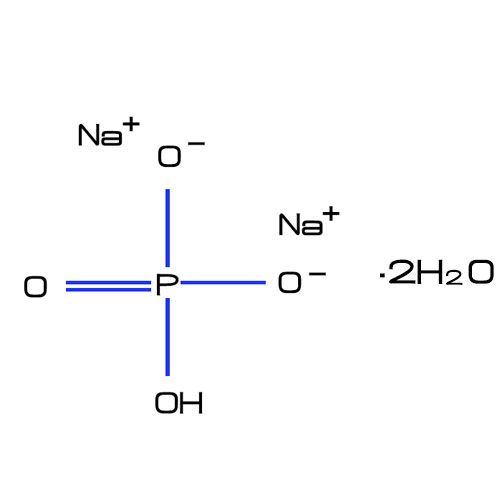
Disodium hydrogen phosphate dihydrate synonyms are including Disodium Phosphate Dihydrate, Sodium Phosphate Dibasic Dihydrate, Sec-Sodium Phosphate, Secondary Sodium Phosphate, Sodium Hydrogen Phosphate Dihydrate, Sodium Monohydrogen Phosphate, Phosphoric Acid, Disodium Salt, Dihydrate, Phosphoric Acid, and Disodium Salt. These names are using as the designation of disodium hydrogen phosphate dihydrate in different contexts, which helps to accurately identify and cite the compound in different literature and sources.
II.Properties
Disodium hydrogen phosphate dihydrate has several notable physical properties.

For instance:
- It is a white powder.
- It has a density of 1.064 g/mL at 20 °C.
- Its melting point is 92.5°C, and it has a boiling point of 158°C at 760 mmHg.
- The aqueous solution is alkaline, with a pH value ranging from 8.9 to 9.2 at 25°C when in a 0.5M solution in water.
- This compound is also characterized by its ability to turn into an anhydrous form (disodium hydrogen phosphate) when heated to 95°C, losing two crystallization waters.
III.Applications in Various Industries
A. In Pharmaceuticals
Disodium hydrogen phosphate dihydrate plays a significant role in pharmaceuticals. It is often used as an additive in total parenteral nutrition therapy. This helps to maintain the proper balance of electrolytes in the body. Additionally, it can be used for treating certain conditions. For example, it may be utilized in formulations to adjust the pH of medications, ensuring stability and effectiveness.
B. In Industrial Processes
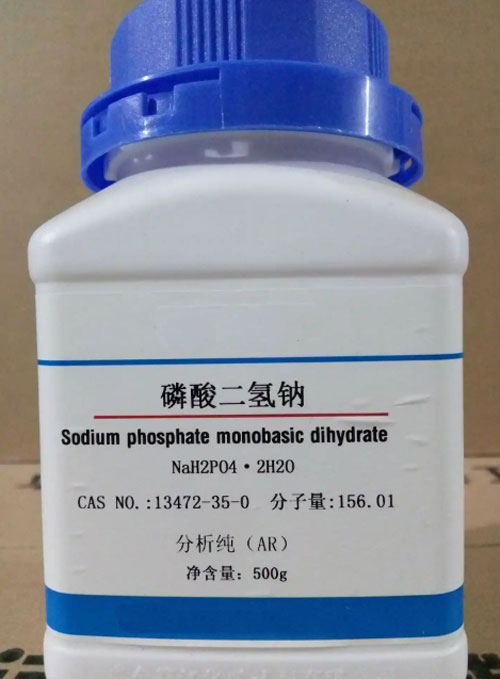
In industrial settings, disodium hydrogen phosphate dihydrate has multiple applications. It is used as a softening agent in various processes. This helps to make materials more pliable and easier to work with. It can also act as a fabric weight increaser, enhancing the density and durability of textiles. Moreover, it serves as a fire retardant, providing an added layer of safety in products and processes. In enameling and welding processes, it can help to improve the adhesion and quality of the finished product.
C. In Laboratory and Research
In laboratory and research settings, disodium hydrogen phosphate dihydrate is of great importance. It is commonly used in biochemical research as a buffer solution to maintain a stable pH environment. As a standard for High-Performance Liquid Chromatography (HPLC), it helps in accurate analysis and separation of compounds. With its known properties and stability, it provides a reliable reference for researchers in various fields.
IV.Preparation Methods
The phosphoric acid neutralization method is one of the common ways to prepare disodium hydrogen phosphate dihydrate. In this process, phosphoric acid is gradually neutralized with sodium hydroxide.
First, a certain concentration of phosphoric acid solution is prepared. According to stoichiometry, sodium hydroxide is then added slowly to the phosphoric acid solution. As the reaction proceeds, the pH of the solution changes.
After the reaction is complete, the resulting solution is concentrated and then cooled. As the solution cools down, disodium hydrogen phosphate dihydrate crystallizes out. The crystals are then filtered and dried to obtain the final product.
This method offers several advantages. It is relatively simple and can produce high-purity disodium hydrogen phosphate dihydrate. The reaction conditions can be easily controlled, allowing for consistent results. Additionally, the raw materials used in this method, phosphoric acid and sodium hydroxide, are readily available and relatively inexpensive.
V.Safety Considerations
Disodium hydrogen phosphate dihydrate, like many chemicals, requires proper handling to ensure safety. It is important to follow certain safety instructions.
First and foremost, avoid inhalation of dust. Inhalation of the powder can irritate the respiratory system, leading to coughing, sneezing, and in some cases, more serious respiratory issues. Workers handling this compound should wear appropriate respiratory protection, such as masks, in areas where there is a risk of dust inhalation.

Preventing skin and eye contact is also crucial. Skin contact with disodium phosphate dihydrate can cause irritation, redness, and itching. In case of skin contact, immediately wash the affected area with plenty of water and mild soap. If irritation persists, seek medical attention. Eye contact can be even more serious, potentially causing damage to the eyes. In the event of eye contact, immediately flush the eyes with copious amounts of water for at least 15 minutes and seek medical help promptly.
When storing disodium hydrogen phosphate dihydrate, it should be kept in a well-ventilated area away from sources of heat and ignition. Store it in tightly sealed containers to prevent leakage and contamination. Follow proper labeling and storage guidelines to ensure that the compound is handled and stored safely.
In addition, it is important to be aware of any potential chemical reactions that may occur. Disodium hydrogen phosphate dihydrate may react with certain other chemicals, so it is essential to know what substances it should not be mixed with to avoid dangerous reactions.
By following these safety considerations, the risks associated with handling disodium hydrogen phosphate dihydrate can be minimized, ensuring the safety of workers and the surrounding environment.
VI.Conclusion
Disodium hydrogen phosphate dihydrate is a truly remarkable compound with a wide range of applications across various industries. In pharmaceuticals, it plays a crucial role in maintaining electrolyte balance and adjusting the pH of medications. In industrial processes, it functions as a softening agent, fabric weight increaser, and fire retardant. In laboratory and research settings, it serves as a buffer solution and HPLC standard.
Despite potential safety concerns, proper handling and storage can minimize risks. By following safety instructions such as avoiding inhalation of dust, preventing skin and eye contact, and storing in a well-ventilated area, workers can ensure their safety and that of the surrounding environment.
The importance and versatility of disodium hydrogen phosphate dihydrate cannot be overstated. Its unique properties make it an essential component in many products and processes, and ongoing research and development are likely to uncover even more applications in the future. As we continue to explore its potential, it is crucial to balance its benefits with proper safety measures to ensure its sustainable use.

