

I. Introduction
Trisodium phosphate, chemical formula Na3PO4, is an inorganic compound. Trisodium phosphate solubility is very good. It is widely used in several fields, including agriculture. In agriculture, trisodium phosphate, with its unique chemical properties, provides important help for crop growth and production. So can trisodium phosphate be used directly as a fertilizer? The answer is that it depends.
II. Mechanism of trisodium phosphate in soil
When trisodium phosphate enters the soil, it breaks down into phosphate ions (PO43-) as well as hydroxide ions(HO-) when exposed to water.
A. Phosphate ion(PO43-)
- This ion provides crops with phosphorus, which is indispensable for plant growth and development.
- Phosphate ion has complexing action which can loosen the soil clods, thus improving the structure and properties of the soil, the interstitial space of the soil particles as well as the water-holding capacity. Therefore, trisodium phosphate can be used as a fertilizer synergist, so that the fertilizer can work better, thus improving the utilization rate of fertilizer and plant absorption.
- Since phosphate has good dispersibility and adhesion, it can also be used as a pesticide additive to enhance the effect of pesticides.
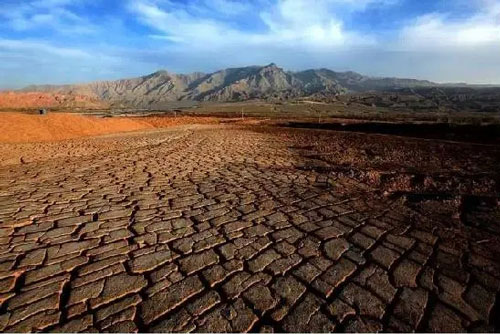
B. Hydroxide ions(HO-)
- It can enhance the alkalinity of the soil and can reduce the acidity of the soil, thus improving the soil
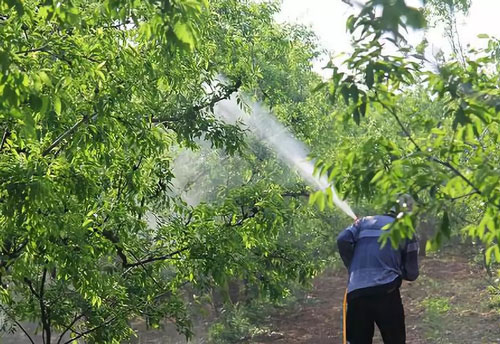
- It can be used as an insecticide and fungicide. By destroying the cell membrane of bacteria and pests, it can achieve the effect of insecticide and fungicide. For example, in some fruit tree disease control, trisodium phosphate solution can be used to spray the foliage to prevent diseases.
III. The application of trisodium phosphate in soil remediation operations follows the steps outlined below:
1.Soil analysis
A detailed chemical analysis of the target soil is required to find out the pH, organic matter content, phosphorus content and distribution of other relevant elements in the soil. This helps in determining the suitability of trisodium phosphate as well as the optimum application rate.
2. Preparation of trisodium phosphate
Based on the results of the soil analysis, the amount of trisodium phosphate required is calculated. Then, the appropriate amount of trisodium phosphate is prepared. Trisodium phosphate is usually available in solid form and can be mixed with water to make a solution as required for easy application.
3. Application methods:
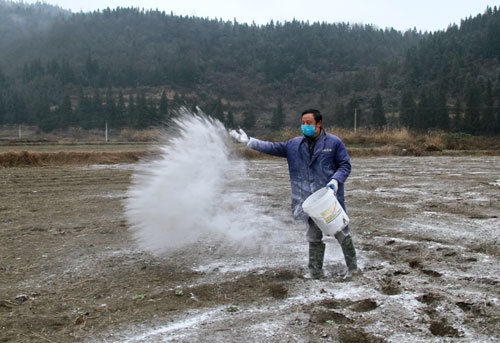
Trisodium phosphate can be applied in a variety of ways, such as by spreading, irrigation or injection.
- Spreading involves spreading trisodium phosphate evenly over the soil surface and then mixing it into the soil through tillage or irrigation.
- Irrigation involves dissolving trisodium phosphate in water and applying it to the soil through an irrigation system.
- Injection is where the trisodium phosphate solution is injected directly into the deeper layers of the soil to ensure that the fertilizer reaches the plant roots directly.
4. Timing and frequency of application:
The timing and frequency of application of trisodium phosphate depends on the growth cycle of the crop and soil conditions. Typically, applications can be made before planting or during crop growth. The frequency of application can be adjusted according to the crop’s phosphorus requirements and the phosphorus content of the soil.
5. Monitoring and adjustment:
After the application of trisodium phosphate, the phosphorus content of the soil and the growth of the crop need to be monitored regularly. If the soil phosphorus content is found to be too high or the crop growth is abnormal, the application rate or method needs to be adjusted in time to avoid adverse effects on the soil and the crop.
6. Note:
It should be noted that although trisodium phosphate has a positive effect on soil remediation and plant growth, over-application may lead to excessive soil phosphorus content and cause environmental problems. Therefore, the dosage should be strictly controlled during application and relevant agricultural codes and technical guidelines should be followed.
IV. Other roles of trisodium phosphate for agriculture
A. Trisodium phosphate can be used as raw material for phosphate fertilizer to make diammonium phosphate fertilizer.
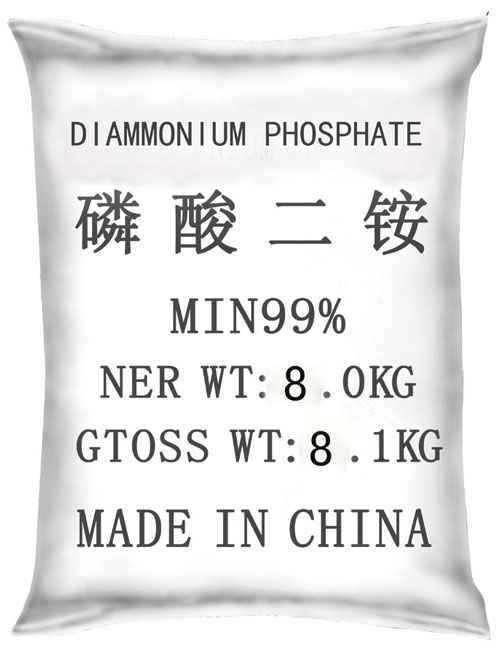
Compared with other phosphorus fertilizers, diammonium phosphate fertilizer has the advantages of fast fertilizer effect, long-lasting effect, etc., which is loved by the majority of farmers.
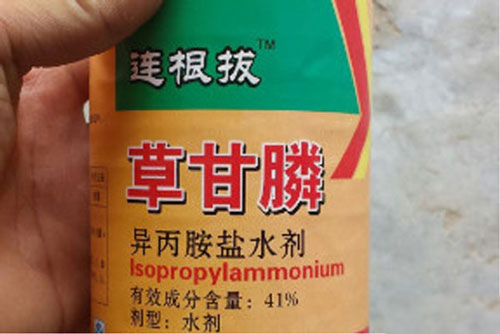
B. Trisodium phosphate is one of the important raw materials for the herbicide glyphosate.
Glyphosate is a broad-spectrum herbicide capable of killing most weeds and herbaceous plants. Trisodium phosphate plays an important role in the manufacturing process of glyphosate, which helps glyphosate to break down into its active substances, thus exerting its herbicidal effect.
V. Precautions for using trisodium phosphate
Although trisodium phosphate has many applications in agriculture, the principle of moderation should be noted when using it to avoid overuse leading to soil salinization or other environmental problems. At the same time, it should be reasonably applied according to different regions, different soil conditions and the specific needs of crops.
VI. Conclusion
Trisodium phosphate uses in agriculture is one of its important applications. Since trisodium phosphate can be decomposed into phosphate ions and hydroxide ions, it can improve the soil, provide nutrients, and aid in pest control. When using trisodium phosphate as a soil conditioner, it is important to follow scientific steps of application. In addition, it is a raw material for other phosphate fertilizers as well as insecticides. In land with high soil acidity and severe caking, the right amount of trisodium phosphate can be used directly as a fertilizer. However, it is important to follow the scientific way of using it to avoid overuse that can lead to soil pollution.

