

I. Introduction
Sodium fluoride NaF is a well-known chemical compound that has significant importance in various fields. When sodium fluoride is dissolved in water, it forms an interesting system with unique properties and behaviors that are worthy of in-depth exploration. This article will discuss the physical and chemical aspects of sodium fluoride in aqueous solutions, its reactions, and applications related to its aqueous state.
II. Physical Properties of Sodium Fluoride in Water
A. Solubility
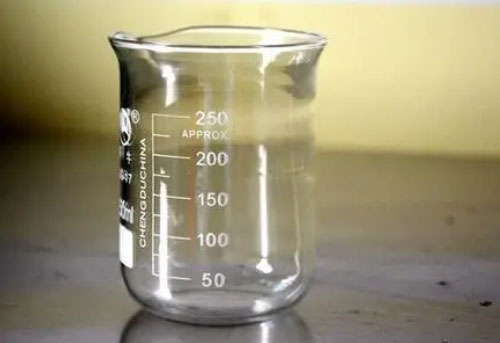
Sodium fluoride is highly soluble in water. At standard temperature and pressure, it readily dissolves to form a clear, colorless solution. The solubility of sodium fluoride in water is influenced by factors such as temperature. As the temperature increases, the solubility of sodium fluoride generally increases. This solubility behavior is typical of many ionic compounds and follows the general principles of solubility in aqueous systems.
B. Solution Conductivity
When sodium fluoride is dissolved in water, it dissociates into sodium ions (Na⁺) and fluoride ions (F⁻). This dissociation makes the solution an electrolyte. The presence of these freely moving ions allows the solution to conduct electricity. The conductivity of the sodium fluoride solution depends on the concentration of the dissolved compound. Higher concentrations of sodium fluoride will result in a greater number of ions in the solution, thereby increasing the conductivity.
III. Chemical Reactions of Sodium Fluoride in Water
A. Hydrolysis
Although fluoride ions are relatively stable in water, there can be a certain degree of hydrolysis. The fluoride ion can react with water molecules to form hydrofluoric acid (HF) and hydroxide ions (OH⁻) to a very small extent. However, this hydrolysis is usually not significant under normal conditions. The equilibrium of this hydrolysis reaction is determined by the acid – base properties of the fluoride ion and the water.
F–+H2O→HF + OH–
B. Reaction with Acids
When an acid is added to a sodium fluoride solution, a reaction occurs. For example, if hydrochloric acid (HCl) is added, the fluoride ions react with the hydrogen ions from the acid to form hydrofluoric acid.
NaF + HCl → NaCl + HF
This reaction can be used in laboratory settings for the preparation of hydrofluoric acid or in industrial processes where the control of fluoride chemistry is required.
C. Complex Formation
Fluoride ions in water can form complexes with certain metal ions. For instance, they can form complexes with aluminum ions (Al³⁺). The formation of these complexes can affect the solubility and reactivity of the metal ions in solution. This property is utilized in various chemical and industrial applications, such as in the purification of water or in the production of certain materials where the control of metal ion behavior is crucial.
IV. Applications of Sodium Fluoride in Aqueous Solutions
A. Dental Health
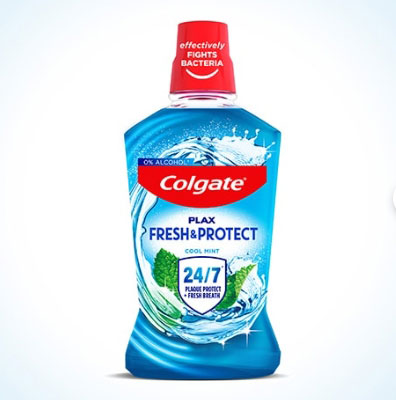
In the field of dentistry, sodium fluoride solutions are made from toothpaste grade sodium fluoride. They are used in mouthwashes, dental rinses, and as part of dental treatments. When applied to the teeth, the fluoride ions in the solution can penetrate the enamel and react with the hydroxyapatite in the teeth to form fluorapatite. This process helps to strengthen the enamel, making it more resistant to acid attacks from bacteria in the mouth, thereby reducing the incidence of tooth decay.
B. Industrial Applications
1. Metal Finishing
In metal finishing processes, sodium fluoride solutions are sometimes used. They can be used in the treatment of metal surfaces to improve corrosion resistance. The fluoride ions can react with the metal surface to form a thin protective layer or can be involved in the cleaning of the metal surface by removing impurities through complex formation and subsequent removal of the complexes.
2. Water Treatment
Sodium fluoride solutions can be used in water treatment plants in some cases. They can be added to water to adjust the fluoride content to an optimal level for public health purposes. In addition, the ability of fluoride ions to form complexes with certain metal ions in water can be utilized to remove heavy metal contaminants from water.
C. Chemical Analysis
In chemical analysis, sodium fluoride in aqueous solutions can be used as a reagent. For example, it can be used in titration methods to determine the concentration of certain metal ions. The ability of fluoride ions to form stable complexes with specific metal ions allows for accurate and precise analysis.
V. Conclusion
Sodium fluoride dissolved in water presents a complex and fascinating system with a wide range of physical, chemical, and practical aspects. Understanding the properties, reactions, applications, and potential risks associated with sodium fluoride in aqueous solutions is essential for its proper use in various fields, from dental care to industrial processes, while also ensuring that environmental and human health are protected. Strict regulation and proper handling of sodium fluoride-containing solutions are necessary to minimize the negative impacts and maximize the benefits that this compound can offer.
Related blog:

