

I. Introduction
Sodium fluoride is a chemical compound that has diverse applications and can be found in various products and environments. This article aims to explore the different sources where sodium fluoride is present, its functions in these contexts, and the implications for human health and the environment.
II. Occurrence in Nature
A. Minerals
Some minerals contain sodium fluoride. The ores are of pretty look, could you find their photos from the article sodium fluoride where does it come from.
B. Groundwater
In some areas, groundwater can contain sodium fluoride. This can occur due to the natural leaching of minerals from the soil and rocks into the water.
III. Industrial Applications and Sources
There is a shortcut to find the source if we know sodium fluoride uses. See below for the usual uses of this chemical.
A. Dental Products
- Toothpaste
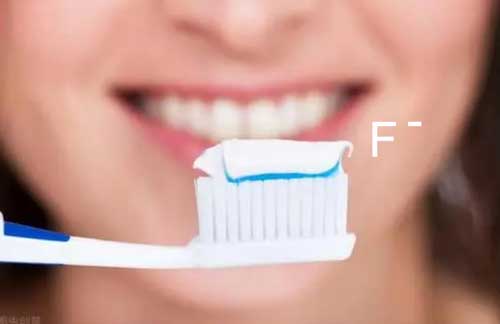
Toothpaste is one of the most common consumer products that contain sodium fluoride. Fluoride in toothpaste helps to prevent tooth decay by strengthening the enamel of teeth. Sodium fluoride is added to toothpaste in varying concentrations, usually ranging from 1000 to 1500 parts per million (ppm).
- Mouthwashes
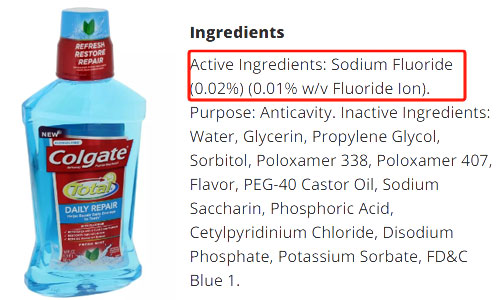
Some mouthwashes also contain sodium fluoride. Mouthwashes with fluoride can help to reduce the risk of tooth decay and gum disease. The fluoride in mouthwashes works in a similar way to that in toothpaste, by strengthening the enamel and inhibiting the growth of bacteria that cause dental problems.
For the detal application, the sodium fluoride toothpaste grade is specially offered for it.
B. Pharmaceuticals
- Fluoride Supplements
Sodium fluoride is used in some fluoride supplements, which are prescribed to people who may be at risk of developing dental problems due to low fluoride intake. Fluoride supplements are usually taken in the form of tablets or drops and are designed to provide a controlled dose of fluoride.
- Bone Health Medications
In addition to its role in dental health, sodium fluoride is also used in some medications for bone health. Sodium fluoride can stimulate bone formation and is sometimes used to treat osteoporosis and other bone disorders. However, the use of sodium fluoride for bone health is controversial, as it can have side effects and its effectiveness is not always clear.
The sodium fluoride high purity grade is specially manufactured for this medicine application.
C. Industrial Processes
- Aluminum Production
In the production of aluminum, sodium fluoride is used as a flux to lower the melting point of the aluminum oxide (alumina) and improve the efficiency of the smelting process. Sodium fluoride reacts with the impurities in the alumina to form a slag that can be easily removed.

- Glass Manufacturing
Sodium fluoride is also used in glass manufacturing. It is added to the glass melt to improve the clarity and durability of the glass. Sodium fluoride can also help to lower the melting point of the glass, reducing the energy required for the manufacturing process.
- Steel Production
In steel production, sodium fluoride is used as a deoxidizer and desulfurizer. It helps to remove oxygen and sulfur from the molten steel, improving the quality and properties of the steel.
D. Pesticides and Insecticides
Some pesticides and insecticides contain sodium fluoride. These products are used to control pests and insects in agriculture and gardening. Sodium fluoride in pesticides and insecticides works by disrupting the nervous system of the pests, leading to paralysis and death. However, the use of pesticides and insecticides containing sodium fluoride can have negative impacts on the environment and human health.
IV. Pollution substance
A. Polluted Water
High concentrations of sodium fluoride in water can be harmful to aquatic life and can also affect the quality of drinking water. Sodium fluoride can accumulate in the tissues of aquatic organisms, causing physiological changes and reducing their survival and reproductive capabilities.

B. Contaminated Soil
The use of pesticides and insecticides containing sodium fluoride can lead to soil contamination. Sodium fluoride can persist in the soil for a long time and can affect the growth and development of plants. Soil contamination with sodium fluoride can also lead to the accumulation of fluoride in the food chain, potentially posing a risk to human health.
C. Polluted Air
Sodium fluoride can be released in the fluoride gases to the air, leading to air pollution.
Application standards
There is health concerns on using the sodium fluoride, some of them even further such as “Does Sodium Fluoride Cause Cancer?” . Although sodium fluoride has risks when we excessive contact and exposed, the strict standards and regulations are applied to prevent people from harming.
1. Drinking Water Standards
Many countries have established standards for the maximum allowable concentration of fluoride in drinking water. These standards are designed to ensure that people receive an appropriate amount of fluoride for dental health benefits while minimizing the risk of fluorosis and other health problems.
2. Labeling Requirements
Products that contain sodium fluoride, such as toothpaste and mouthwashes, are required to have clear labeling indicating the presence of fluoride and providing information on its potential health effects. This helps consumers make informed decisions about the use of these products.
3. Industrial Safety Measures
Industries that use sodium fluoride are required to follow strict safety measures to prevent the release of fluoride into the environment and protect the health of workers. This includes proper handling, storage, and disposal of sodium fluoride and the implementation of pollution control measures.
V. Conclusion
Sodium fluoride is a chemical compound that can be found in a variety of products and environments. While it has important benefits for dental and bone health, excessive exposure to sodium fluoride can lead to health problems such as fluorosis and skeletal fluorosis. Therefore, it is important to regulate the use of sodium fluoride and ensure that people are exposed to safe levels. Additionally, efforts should be made to minimize the environmental impacts of sodium fluoride and develop alternative products and processes that are less harmful to the environment. By understanding the sources and effects of sodium fluoride, we can make informed decisions about its use and take appropriate measures to protect human health and the environment.

