

I.Introduction to Sodium Dihydrogen Phosphate
Sodium dihydrogen phosphate, with the chemical formula NaH2PO4, is an inorganic compound. It commonly exists in the form of a white crystalline powder. This compound has several notable basic properties.
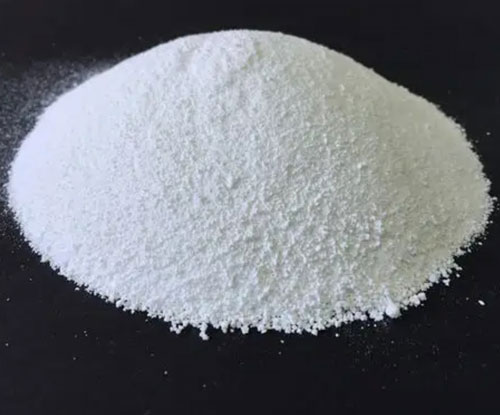
It has a relative molecular weight of 119.959. The melting point is around 60°C and the boiling point is 100°C. It is highly soluble in water, with a solubility of 85g/100mL. However, it is almost insoluble in ethanol or ether. The density is 1.91g/cm³.
The aqueous solution of sodium dihydrogen phosphate is acidic. The pKa value is between 6.8 – 7.2 and the pH of the aqueous solution is usually 4.5. At room temperature, it can form a crystalline compound, sodium dihydrogen phosphate dihydrate, with water.
II.Acidic Nature of Sodium Dihydrogen Phosphate
A.Evidence of Acidity
Sodium dihydrogen phosphate is acidic due to several reasons. Firstly, its aqueous solution has a pH value of usually 4.5. This relatively low pH indicates its acidic nature. The compound dissociates in water to release hydrogen ions (H+), which is characteristic of acids. The pKa value between 6.8 – 7.2 also supports its acidity as it shows the tendency to donate protons. Moreover, it can react with bases to form phosphates and water, further demonstrating its acidic behavior.

B.Applications Due to Acidity
The acidic nature of sodium dihydrogen phosphate gives it a wide range of applications. In the food industry, the food grade sodium dihydrogen phosphate is used as an acidity regulator. For example, in some countries like Japan, it is used as an acidity regulator, a binding agent, and a stabilizer. It can enhance the acidity of food products, improve taste, and also help in prolonging the shelf life. In the medical field, it is used as an adjunctive drug for urinary tract infections. By acidifying the urine, it can enhance the antibacterial activity of certain drugs. It is also used in the prevention of calcium-containing kidney stones by increasing the solubility of calcium in urine. In the chemical industry, it can be used as a catalyst in chemical synthesis. Compared to other catalysts, sodium diihydrogen phosphate is more environmentally friendly and does not affect the quality of the product. It can also be used in the preparation of various phosphates such as sodium pyrophosphate and sodium metaphosphate.
III.Debate on Whether It Can Be Considered a Base
A.Arguments Against Being a Base
Sodium dihydrogen phosphate is not typically considered a base for several reasons. Firstly, as mentioned earlier, its aqueous solution is acidic with a pH of around 4.5. Bases generally have a pH greater than 7. Secondly, it dissociates in water to release hydrogen ions (H⁺), which is a characteristic of acids rather than bases. Bases, on the other hand, release hydroxide ions (OH⁻) or accept protons. Additionally, its chemical reactions also support its acidic nature. For example, it reacts with bases to form phosphates and water, further confirming its acidic behavior and not showing any properties typically associated with bases.

B.Special Cases or Confusions
In some cases, there might be confusion or misinterpretation regarding the basic properties of sodium dihydrogen phosphate. For instance, in certain complex chemical reactions or in combination with other compounds, there could be a misunderstanding about its role. However, even in these cases, a careful analysis of the reaction mechanisms and the nature of the products formed would reveal that sodium dihydrogen phosphate is not acting as a base. For example, if it is involved in a reaction where it seems to neutralize an acid, it might be taken it is behaving like a base. But upon closer examination, it might be found that the reaction is actually due to the acidic properties of sodium diihydrogen phosphate rather than any basic characteristics. Another possible source of confusion could be its interaction with amphoteric substances. While some amphoteric compounds can act as both acids and bases depending on the conditions, sodium dihydrogen phosphate does not have this dual nature. It remains predominantly acidic and does not exhibit significant basic properties under normal conditions.
IV.Conclusion
Sodium dihydrogen phosphate is predominantly an acidic compound with distinct properties and a wide range of applications. Its acidic nature is evident from its low pH value of around 4.5 in aqueous solution, its dissociation in water to release hydrogen ions, and its ability to react with bases to form phosphates and water. The pKa value between 6.8 – 7.2 further supports its acidic behavior.
Throughout this discussion, it has become clear that sodium dihydrogen phosphate is not a base. The arguments against it being a base are strong, considering its acidic pH, dissociation characteristics, and chemical reactions. While there may be some special cases or confusions, a careful analysis reveals that it does not exhibit significant basic properties under normal conditions.
In conclusion, sodium dihydrogen phosphate is an important inorganic compound with acidic characteristics that make it useful in various fields such as food, medicine, and chemistry. Its role as an acidity regulator, catalyst, and in other applications is well-established. Understanding its nature is crucial for its proper use and handling.
Related concern:

