

Xylitol is a naturally occurring sugar alcohol that has gained significant popularity as a sugar substitute in various industries, especially in food and oral care.
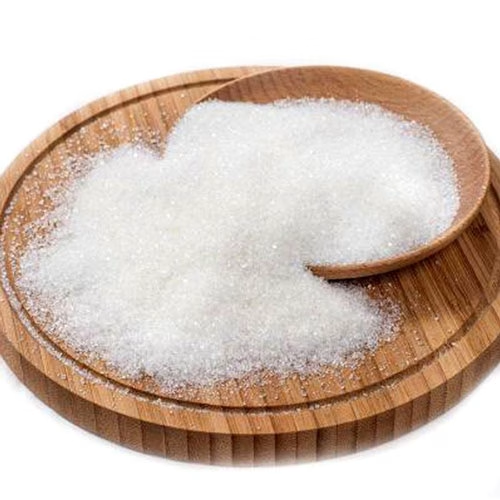
This white, crystalline substance has a sweetness level similar to that of table sugar, providing a satisfyingly sweet taste without the high calorie content. In fact, xylitol contains approximately 40% fewer calories than sucrose, making it an attractive option for those looking to reduce their calorie intake while still enjoying the sweetness they love. To know the detailed explanation please read what is Xylitol.
In this article, we will discuss how to use xylitol from aspects of applications, serveral useful tips, which we would help us experience healthy lives.
Common Ways to Use Xylitol in Daily Life
In Food and Beverages
Xylitol has become a popular choice for those looking to reduce their sugar intake without sacrificing taste. One of the most common ways to use xylitol is in food and beverages as a substitute for traditional sugar.
In baking, xylitol can be used in a 1:1 ratio to replace granulated sugar in most recipes. Whether you’re making cookies, cakes, or bread, xylitol can provide the same level of sweetness as sugar while adding a unique, refreshing flavor. For example, when making chocolate chip cookies, swap out the regular sugar for xylitol, and you’ll still get a deliciously sweet treat with a lower calorie count. Plus, xylitol’s hygroscopic nature helps to keep baked goods moist for longer, extending their shelf – life. However, it’s important to note that xylitol doesn’t caramelize like sugar does, so the appearance of your baked goods might be slightly different. For instance, cookies made with xylitol may not turn as brown on the edges as those made with sugar.

When it comes to beverages, xylitol can be used to sweeten coffee, tea, and homemade smoothies. Just a teaspoon of xylitol can add a sweet kick to your morning coffee, making it a great option for diabetics or those on a low – sugar diet. In smoothies, xylitol can enhance the natural sweetness of fruits without adding excessive calories. Some companies have also started using xylitol in bottled beverages, such as iced teas and fruit – flavored drinks, to offer a healthier alternative to their sugary counterparts.
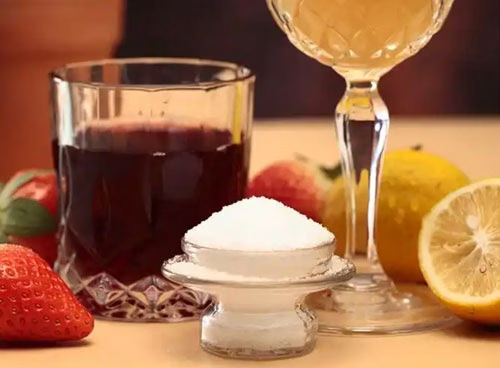
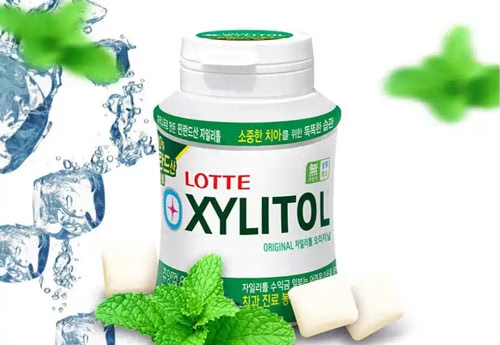
Xylitol is also commonly used in the production of sugar – free candies and gums. These products not only satisfy your sweet tooth but also provide dental benefits due to xylitol’s ability to inhibit the growth of harmful oral bacteria. For example, many sugar – free mints contain xylitol, making them a great option for freshening your breath while also promoting oral health.
In Oral Care Products
Xylitol plays a crucial role in oral care and is a key ingredient in many oral care products. Its antibacterial properties make it an effective agent for preventing tooth decay and maintaining good oral hygiene.
Tips for Using Xylitol Effectively
For Sweetening Purposes
When using xylitol for sweetening, it’s important to note a few key points. First, although xylitol has a sweetness similar to sugar, its calorie content is much lower. When substituting xylitol for sugar in recipes, you can generally use a 1:1 ratio in most cases. However, because xylitol has a slightly different taste profile, you might want to adjust the amount slightly according to your personal taste preferences. For example, in some beverages, you may find that a bit less xylitol is needed to achieve the desired level of sweetness compared to sugar.
Xylitol can also be mixed with other sweeteners for a more customized sweetening solution. Combining xylitol with stevia, for instance, can create a sweet blend with a very low – calorie count. Stevia is a natural sweetener that is much sweeter than sugar or xylitol, so only a small amount is required. When using this combination, start with a small amount of stevia and gradually add more while tasting until you reach the perfect sweetness. This not only helps to control calorie intake but also allows you to enjoy a unique flavor combination.
In different cooking methods, xylitol behaves differently from sugar. In baking, as mentioned before, xylitol doesn’t caramelize like sugar. So, if you’re making a dessert that requires a caramelized crust, you may need to add a small amount of a caramel – forming ingredient like brown sugar or use a different sweetening method in addition to xylitol. When making jams or jellies, xylitol can be used as a sugar substitute, but you may need to adjust the pectin amount slightly as xylitol can affect the gelling process. For example, some recipes might require a bit more pectin when using xylitol to ensure the proper consistency.

In Oral Health Maintenance
To effectively use xylitol containing oral care products for maintaining good oral health, proper usage is crucial. For xylitol containing chewing gum, it is recommended to chew it for at least 5 – 10 minutes, three to four times a day. The best times to chew xylitol gum are after meals or snacks. After eating, food particles and bacteria can remain in the mouth, and chewing xylitol gum helps to dislodge these particles, stimulate saliva flow, and inhibit the growth of harmful bacteria. However, be careful not to over – chew, as excessive chewing can lead to jaw fatigue or other issues.
The xylitol containing toothpaste has many benefits for oral health ( to know more, please read Xylitol toothpaste benefits).When using xylitol containing toothpaste, follow the standard tooth brushing guidelines. Xylitol in the toothpaste will work to protect your teeth from bacteria and help prevent plaque formation.
For xylitol based mouthwashes, use them as directed on the product label. Typically, this involves using 10 – 15 milliliters of mouthwash, swishing it around in your mouth for 30 – 60 seconds, and then spitting it out. Avoid rinsing your mouth with water immediately after using the mouthwash, as this can wash away the beneficial xylitol before it has a chance to fully work. Xylitol containing mouthwashes are great for reaching areas that a toothbrush can’t access, such as between the teeth and along the gum line, further enhancing your oral hygiene routine.
Xylitol containing oral care products should also be used in combination with other good oral care practices. This includes regular dental check ups, usually every six months, to detect any potential oral health issues early. Flossing daily is also essential. Flossing helps to remove food particles and plaque from between the teeth, areas that xylitol – containing products may not reach as effectively. By combining these practices, you can maximize the benefits of xylitol in maintaining excellent oral health.
Conclusion
Xylitol, with its natural origin and unique properties, offers a wide range of uses in our daily lives. When used reasonably and with proper knowledge, it can play a positive role in promoting a healthy lifestyle, from managing our diet to maintaining excellent oral health. So, go ahead and explore the world of xylitol, and make it a part of your daily routine for a healthier you.

